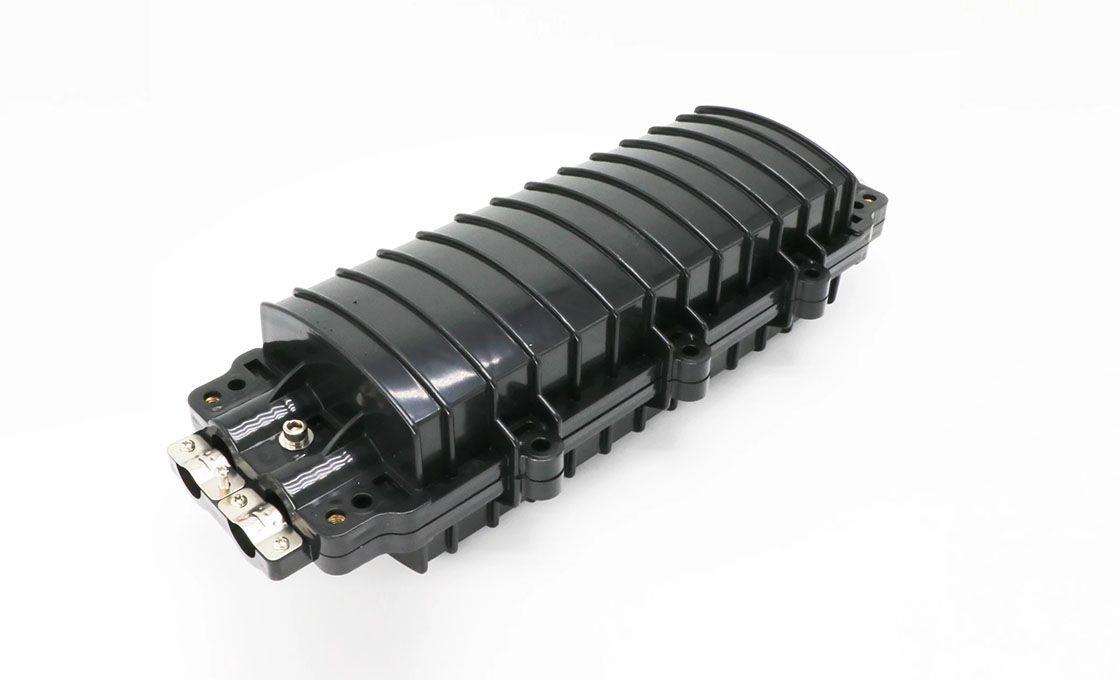
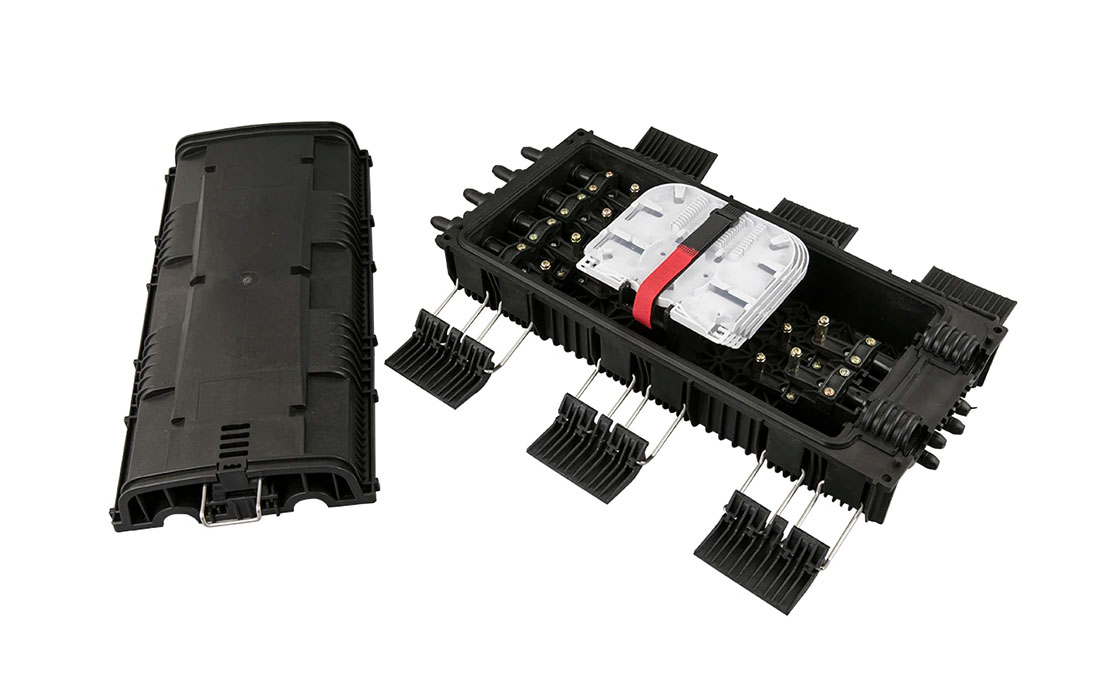
Fiber Optic Cable Closures are crucial in building and maintaining optical fiber networks. These devices connect multiple optical cables, ensuring continuity, sealing, and mechanical strength. Fiber optic closures serve as protective boxes encasing the sensitive joints between interconnected cables. As their name implies, these enclosures ensure the patency of fiber optic connections by maintaining a tight seal over the optic cable junctures. The seal helps keep contaminants like dirt or moisture at bay, preventing external elements from corrupting the integrity of the data cables. As such, the quality of the fiber optic splice boxes directly impacts each network’s performance and lifespan. Are these enclosures necessary? The short answer is yes. Fiber optic cables transmit light pulses (data) over great distances. They span across cities (even continents) and are often laid out in various terrains (underground, underwater, or over air) and under extreme weather conditions. Key Features of fiber optic splice closures: Waterproof, dustproof, and weatherproof Durable and built to last User-friendly and easy to install Tamper-resistant High performance and maintains signal integrity under various conditions Supports a variety of cable types and sizes Benefits of fiber optic splice closures: Improves longevity of fiber optic networks Ensures the network’s high performance Protects cable from hazards including damage from moisture and extreme temperature Helps prevent signal degradation Ease of maintenance and future upgrades Types of fiber optic enclosures There are three main classes of optic fiber closures: horizontal (also known as inline or cylindrical), vertical (or dome-shaped), and hybrid. Each fiber optic network is unique and has varying needs, depending on factors like the location or the splice count. Compoments of an optic fiber splice closure Fiber Optic Closure A fiber optic cable enclosure typically consists of several essential parts: Outer housing. This is the main body of the enclosure, typically made from durable materials like plastic or metal. Cable entry ports. These are openings where the fiber optic cables enter and exit the enclosure. They keep the enclosure sealed and well-protected. Splice trays. Inside the enclosure, these trays hold and organize the spliced fibers and ensure each fiber connection is in place. Sealing mechanism. These include gaskets or sealants to ensure the enclosure is waterproof and dustproof. Locking mechanism. This could be a latch, screw, or other securing method to keep the enclosure closed and tamper-resistant. Grounding and bonding components. For enclosures with metallic components, these protect the cables against electrical surges. Strength member clamps. These components secure the central strength members of the cables, providing stability and reducing strain on the fibers. Cable management features. Clamps, ties, or guides to ensure that cables are neatly organized and bent at safe radii, preventing damage or signal loss. Accessories for mounting. Brackets or other features for mounting the enclosure on poles, walls, or below ground.